


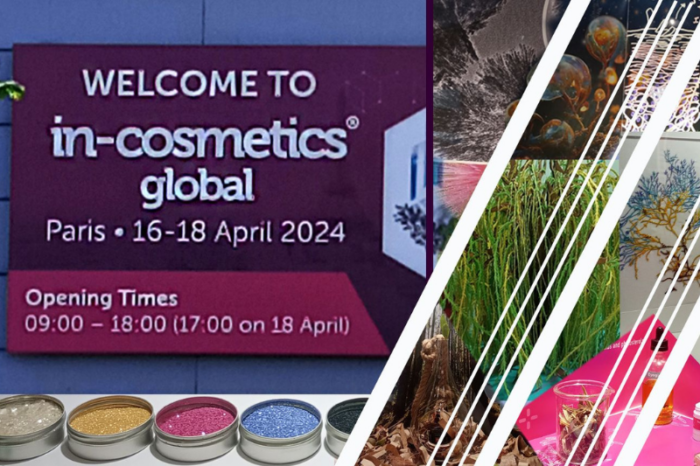
CosmetoSAFE at in-cosmetics Global
On April 16, dr. Iwona Białas visited Paris to take part in the leading global event in the cosmetics industry – in-cosmetics Global.

On April 16, dr. Iwona Białas visited Paris to take part in the leading global event in the cosmetics industry – in-cosmetics Global.
Nitrosamines are chemical compounds classified as potential carcinogens. Nitrosamines are formed when nitrosating agents react with secondary or tertiary amines. Examples of nitrosating agents include nitrites (such as sodium nitrite) and nitrogen oxides. These compounds can be found in various environments and can react with amines from different sources. This reaction can additionally occur under specific conditions, such as high pH or elevated temperature.

As many as 76% of cosmetic technologists believe that regulatory changes in the ingredient area require them to work a lot or very intensively, according to the Technologist Needs Survey report by CosmetoSAFE Consulting. The increasing commitment to work on updating product documentation means that specialists lack the time to create innovative products and develop new concepts. Rescue comes from CosmetoSAFE Assist, a tool for R&D departments, that will automate many processes when creating and updating product concepts.

𝗛𝗮𝘃𝗲 𝘆𝗼𝘂 𝗲𝘃𝗲𝗿 𝘄𝗼𝗻𝗱𝗲𝗿𝗲𝗱 𝗵𝗼𝘄 𝗺𝗮𝗻𝘆 𝗰𝗼𝘀𝗺𝗲𝘁𝗶𝗰 𝗶𝗻𝗴𝗿𝗲𝗱𝗶𝗲𝗻𝘁 𝗿𝗲𝗴𝘂𝗹𝗮𝘁𝗶𝗼𝗻𝘀 𝘄𝗲 𝗵𝗮𝘃𝗲 𝘁𝗼 𝗶𝗺𝗽𝗹𝗲𝗺𝗲𝗻𝘁 𝗶𝗻 𝗼𝘂𝗿 𝗼𝗿𝗴𝗮𝗻𝗶𝘇𝗮𝘁𝗶𝗼𝗻𝘀 𝗽𝗲𝗿 𝘆𝗲𝗮𝗿?
Sandra has been associated with the company since 2018. She has experience in research and teaching. She conducted laboratory classes in the field of cosmeticology, raw materials and physicochemical forms of cosmetics, as well as assessment methods of cosmetics products efficacy evaluation.

It was a second time for our team that we had the honour to be a speaker at this year edition of Safety Assessor Seminar organized by IKW, the German Cosmetic, Toiletry, Perfumery and Detergent Association, in cooperation with 11th HPCI Central & Eastern Europe fairs.

If You plan new sun care products launching, it is good to know the current legislative status!
For years, we have been talking about the fact that “natural” isn’t equal to “safe” in chemistry and toxicology. However, to believe that some people still need illustrative examples. That’s why we’ve collected a few below.
In common opinion the synthetic fragrances are potentially dangerous, while natural essential oils don’t have such associations in our minds. Proponents of natural fragrances seems to forget what is the reason of recommendation of not using the essential oils in an undiluted/concentrated form onto the skin!
The possibility of introducing and making available cosmetics with Lilial in the European market ended on March 1, 2022. Why? Because Article 15 of the Cosmetics Regulation prohibits us from using the CMR substances (unless by way of cosmetic legislation exception, we can justify its safe use… but that didn’t happen here).